


SelfAdvocateNet.com in 2009 – A Year of Growth and Connection
By 2009, SelfAdvocateNet.com had taken another big leap forward. The site was now being produced using SharePoint, thanks to the support of the ShareVision group, which was originally developed by the HOME Society. The ShareVision team not only hosted the SAN website but also guided and supported the SAN team as they learned the process of developing a SharePoint site. This collaboration helped transform SelfAdvocateNet.com into a more interactive and community-driven platform.
The site now featured a group of interactive pages, each managed by local self-advocates, making it truly a website by and for self-advocates. Some of the exciting new sections included:
- “We Survived Woodlands” – A powerful space that later grew into its own independent website, sharing the voices and experiences of those who had lived in the institution.
- Tracy’s Recipes – A section dedicated to easy, delicious, and accessible cooking.
- Shannon’s Writer Center – A space to encourage self-advocates to share their stories, poetry, and ideas.
- James’ Computer Tips – Offering tech advice and troubleshooting tips to help people become more comfortable using technology.
- Healthy Tips – Promoting wellness and self-care.
- Entertainment – A fun section that eventually evolved into JJ’s Movie Reviews, where films were reviewed through the lens of self-advocacy.
Meanwhile, the Edenvale Self-Advocate Leadership Retreats continued to bring together around 75 participants each year, drawing self-advocate leaders from across the province and beyond. These retreats remained a key gathering place for connection, learning, and leadership development.
The SAN website itself kept growing and evolving, strengthening its Vision, Rights, and History sections while offering extensive resources for building self-advocacy groups in local communities.
One of the biggest ongoing fights in 2009 was the push for financial compensation for former Woodlands residents. As the momentum continued to build, SAN and the HOME Society sponsored a special retreat and gathering specifically for former Woodlands participants. This deeply meaningful event was held at the Edenvale Retreat Centre, providing a space for survivors to come together, share their stories, and push forward in their fight for justice.
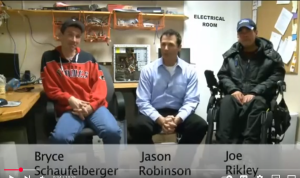
Bryce and Joe continued to work in the computer lab and managed the SAN site. Thiere work caught the attention video producer Jason Robinson of Sustainability TV. The interview is below.
Through it all, SelfAdvocateNet.com remained a beacon of empowerment, connection, and advocacy, proving once again that when self-advocates take the lead, real change happens.
The Disability World in 2009 – A Year of Progress, Challenges, and Advocacy
The year 2009 was an important time in the global disability movement, with key advancements in policy, accessibility, self-advocacy, and technology. Governments, organizations, and self-advocates continued to push for greater inclusion, rights, and recognition.
1. The Convention on the Rights of Persons with Disabilities (CRPD) Gains Global Momentum
- The United Nations Convention on the Rights of Persons with Disabilities (CRPD), which was adopted in 2006, gained more ratifications in 2009, strengthening disability rights worldwide.
- By the end of 2009, 83 countries had ratified the CRPD, committing to ensuring equal rights, accessibility, and independent living for people with disabilities.
- Canada signed the CRPD in 2007 and was preparing for full ratification, which would happen in 2010.
2. The Fight for Woodlands Compensation in Canada
- The push for compensation for former Woodlands residents in British Columbia gained momentum, as survivors, self-advocates, and organizations like SelfAdvocateNet.com continued to bring attention to past injustices.
- The BC government faced growing pressure to recognize the abuse that occurred at the institution and provide financial compensation to survivors.
3. Obama Signs the “Rosa’s Law” Bill in the U.S.
- In 2009, U.S. President Barack Obama signed “Rosa’s Law”, which officially replaced the term “mental retardation” with “intellectual disability” in federal laws.
- This was a major victory for dignity and respect in disability language, reflecting the long-standing work of self-advocates and families who had pushed for more inclusive terminology.
4. Accessibility and Inclusion Gains in Canada
- Provinces across Canada worked on expanding accessibility laws, particularly in Ontario, which continued implementing the Accessibility for Ontarians with Disabilities Act (AODA).
- Community Living organizations pushed for better employment opportunities and independent living supports.
- Self-advocacy groups, including SelfAdvocateNet.com, continued to grow and influence policy discussions.
5. The Rise of Digital Accessibility and Assistive Technology
- The growth of smartphones, voice-to-text software, and screen readers made technology more accessible than ever.
- Companies like Apple and Microsoft expanded built-in accessibility features, making computers and mobile devices more usable for people with disabilities.
- More websites and government services started following Web Content Accessibility Guidelines (WCAG) to improve online accessibility.
6. Disability in Media and the Arts
- Disability representation in TV, film, and literature was still limited, but growing.
- The Paralympic movement continued to gain more attention, and athletes with disabilities advocated for equal funding and recognition.
- Disability advocates pushed for more authentic representation in storytelling and media.
7. The Shift from Institutionalization to Community-Based Living Continues
- Governments and disability organizations around the world continued to support the transition from institutions to independent living.
- Disability rights groups pushed for more funding for home-based supports, accessible housing, and employment programs.
Conclusion
2009 was a year of progress, activism, and growing visibility for the disability community. With the CRPD gaining traction, language reforms in the U.S., increasing digital accessibility, and self-advocacy movements growing stronger, the world was moving closer to a future of full inclusion and rights for people with disabilities.


